
Introduction
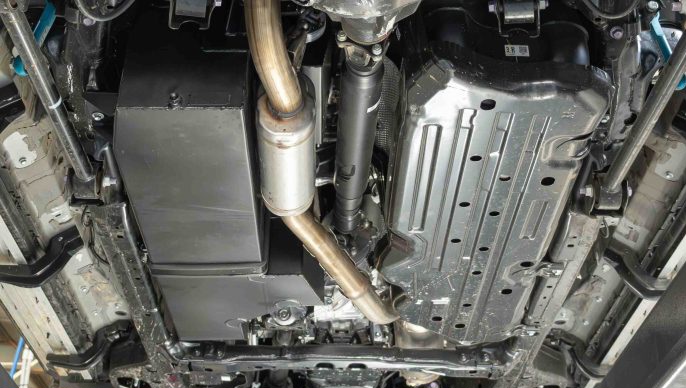
Older generations of the Toyota Land Cruiser and Prado were not designed for city comfort or luxury as the main priority. They were engineered for regions where roads disappear, fuel stations are unreliable, and help can be hundreds of kilometres away. In that context, Toyota made several practical engineering choices, the most distinctive being the Dual Fuel Tank system. This was a solution built for survival, endurance, and real-world use in the harshest environments on Earth.
Built for Remote and Harsh Regions
The Land Cruiser family was primarily used in markets like Australia, Africa, and the Middle East. In these regions, running out of fuel is not just inconvenient—it can be life-threatening. Dual fuel tanks allowed these vehicles to cover massive distances without depending on frequent refuelling stops. This made them the gold standard for mining operations, desert safaris, and humanitarian missions.
Massive Driving Range Was the Real Goal
The primary advantage was simple: Range. Combined fuel capacity in older Land Cruisers was far higher than any standard SUV.
Land Cruiser 70 Series: Often featured 180L (90L + 90L) capacity.
Land Cruiser 80/100/200: Featured combinations ranging from 138L to 145L.
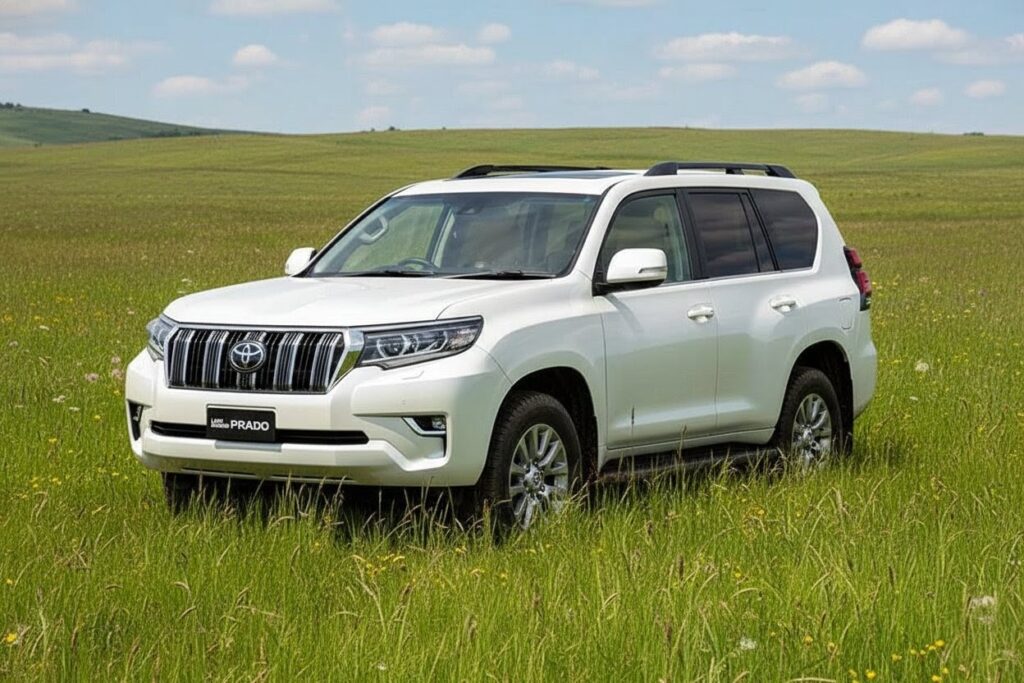
Prado 120/150: Offered up to 150L (87L + 63L).
This reduced the need for carrying dangerous jerry cans and lowered the risk of using contaminated fuel from remote, unreliable sources.
Better Weight Distribution for Off-Road Use
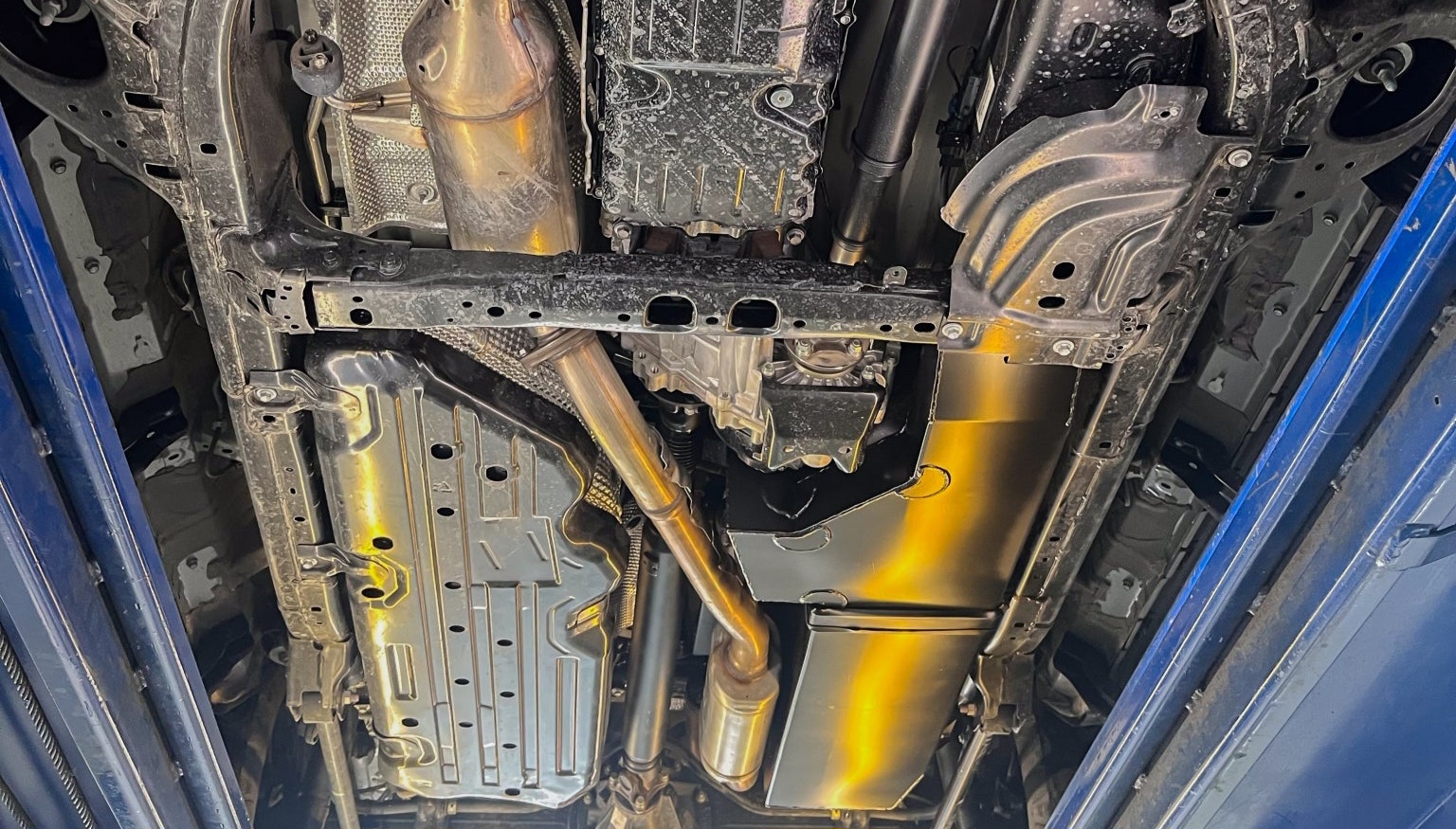
From an engineering perspective, splitting fuel across two tanks improved weight distribution. Instead of one massive, heavy tank, Toyota spread the load across the chassis. This improved stability on uneven terrain, reduced stress on the suspension, and maintained better balance during extreme off-roading.
Redundancy and Reliability
Dual fuel tanks added a layer of mechanical redundancy. If one tank or fuel line was damaged by a rock while off-roading, the vehicle could still operate using the second tank. This aligns with Toyota’s philosophy of prioritizing “Getting Home” over mechanical complexity.
Manual Tank Switching and Gauges
In many older models (like the LC80 and early Prados), drivers could manually switch between the main and sub-tank via a “Sub Tank” button on the dashboard. Interestingly, Toyota often used a single fuel gauge that would automatically switch its reading to show the level of whichever tank was currently in use.
Key Models Featuring Dual Fuel Tanks
Toyota Land Cruiser 70 Series (Workhorse): The most consistent user of dual tanks. Used by military and NGOs, many 70 Series models still offer this today.
Toyota Land Cruiser 80, 100 & 200 Series: The full-size flagship models used dual tanks (especially in GX/GXL trims) to feed their thirsty 4.2L Diesel or 4.5L/4.7L V8 engines.
Toyota Land Cruiser Prado (GX & TX Trims): Primarily in Australia and Africa specs. While the luxury VX trims focused on comfort, the GX/TX trims focused on long-range touring.
Why Toyota Phased This Feature Out
As engines became more fuel-efficient and emissions regulations tightened, dual tanks became harder to package.
Efficiency: Modern Turbo-Diesel and Hybrid engines provide better range with less fuel.
AdBlue/DEF Tanks: Modern diesels require an extra tank for emissions fluid, taking up the space where the sub-tank used to sit.
Safety Standards: Stricter crash test ratings and weight reduction goals have led to the use of single, high-capacity polymer tanks.
Final Thoughts
Dual fuel tanks in older Toyotas were never about luxury; they were a practical response to global challenges. While modern Land Cruisers are more efficient, the dual-tank era remains a symbol of a time when vehicles were built to go anywhere and, more importantly, bring you back.
Visit Our Channel
https://youtube.com/@ayushverseauto?si=UqgG5kn92cy5ZjfB
Yezdi Introduces Roadster Red Wolf Edition at Rs 2.10 Lakh
Yezdi has launched a new special edition of its popular cruiser, the Yezdi Roadster, named…
Mahindra XEV 9e Cineluxe Edition Launched at Rs 29.35 Lakh
Mahindra has launched a new special variant of its electric SUV, the Mahindra XEV 9e,…
Electric Range Rover Velar Set for Late 2026 Reveal
Land Rover is set to launch an all-electric version of the Range Rover Velar, with…
Royal Enfield to Update Continental GT 650 in 2026
Royal Enfield is getting ready to update the Royal Enfield Continental GT 650. The new…
Tata Punch EV Facelift Spied Uncovered Prior to Launch
The updated Tata Punch EV has been spotted without any disguise ahead of its official…
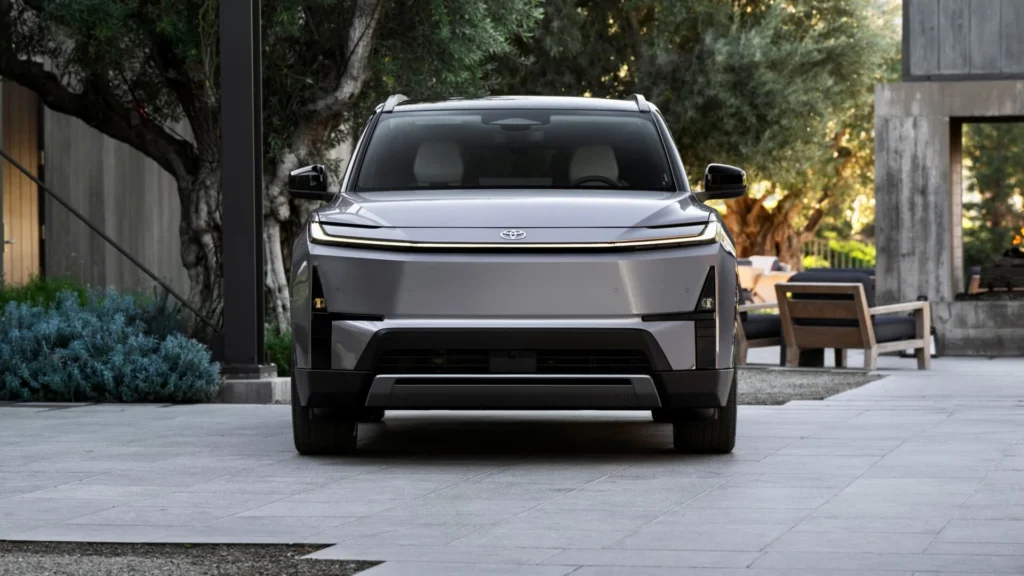
Toyota Unveils 2027 Highlander as Its First 3-Row EV
Toyota has officially introduced the 2027 Toyota Highlander EV. This marks a significant step for…