
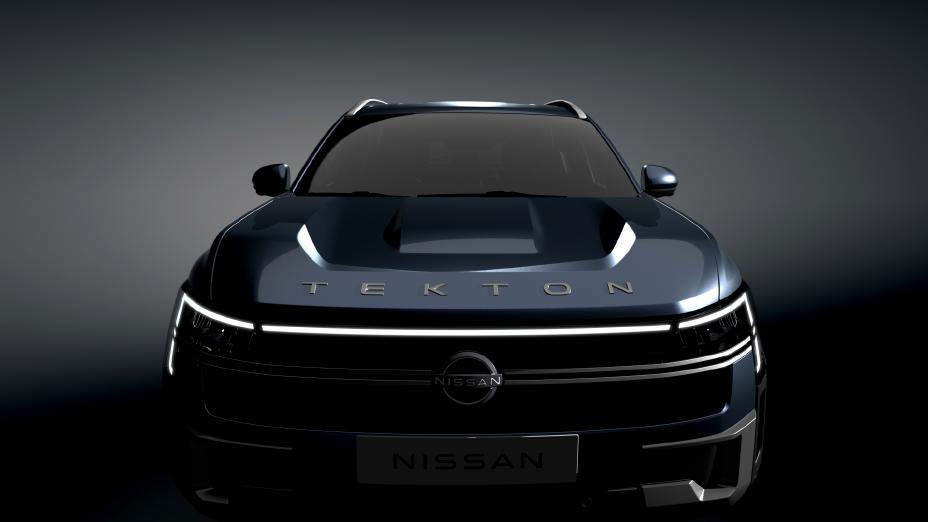
Nissan has been working to regain its footing in the Indian market after years of being cautious. The success of the Magnite clearly showed that Nissan still has a place in India if it focuses on the fundamentals. The upcoming Nissan Tekton, set to be a key part of Nissan’s strategy in India, could mark the brand’s next major effort in the competitive midsize SUV segment.
While Nissan hasn’t officially shared all the details yet, there’s enough information and industry chatter to suggest where the Tekton is headed.
Design: Boxy, Bold, and Purposeful
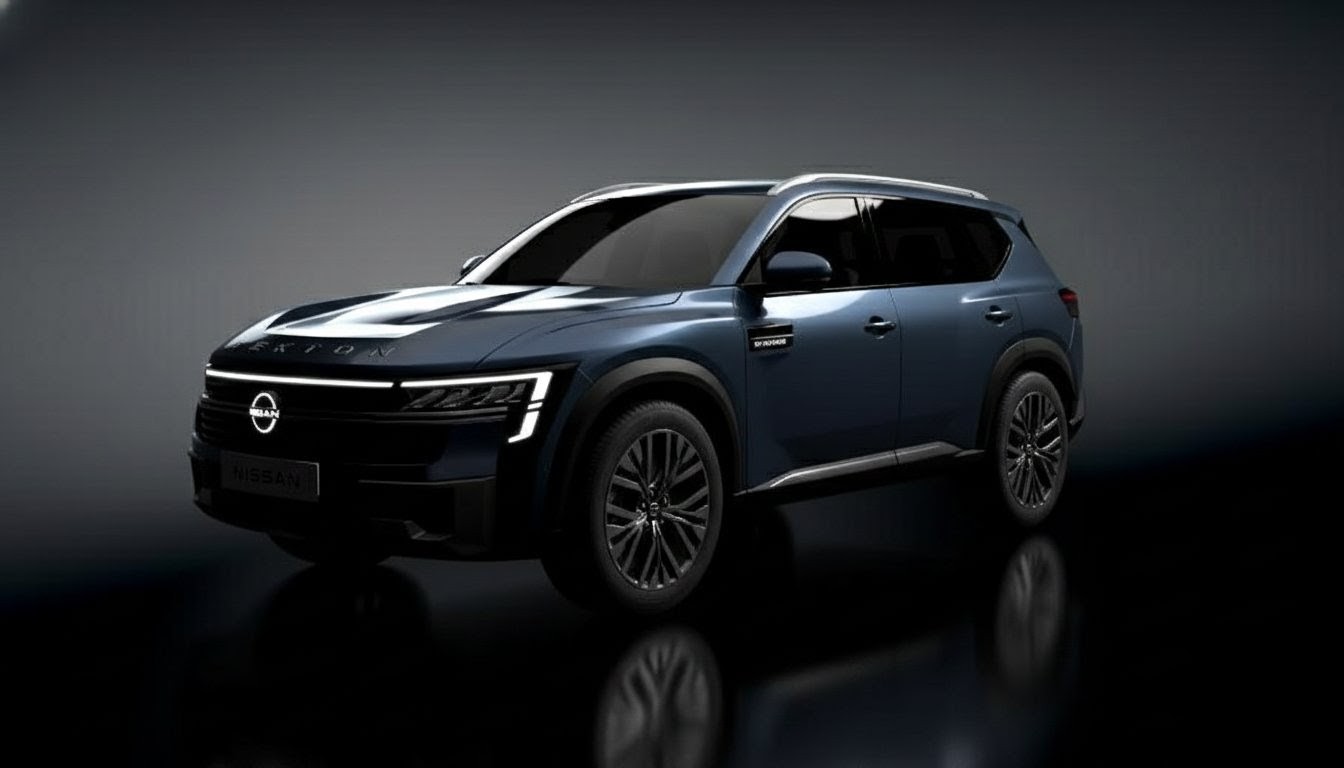
The Nissan Tekton is expected to move away from soft, rounded crossover styles and adopt a more upright, boxy SUV look. This is a deliberate choice. Indian buyers increasingly prefer SUVs that appear tough rather than just tall hatchbacks.
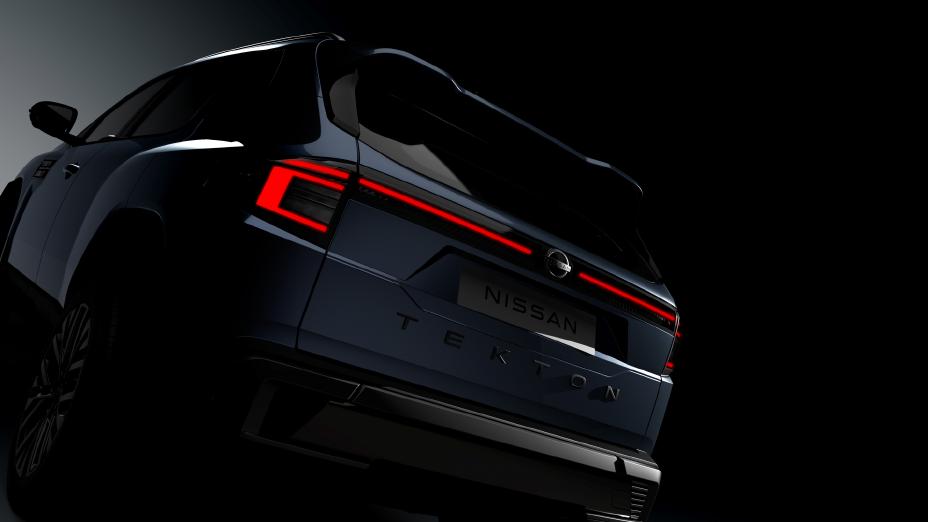
Expect a flat hood, squared wheel arches, a wide front grille, and split LED headlights to give the Tekton a strong road presence. The side profile should be clean and muscular rather than overly complicated, while the rear may feature vertical tail lamps and a straight tailgate for a practical appearance.
The design intent is clear: the Tekton should look solid and confident, not flashy or experimental.
Interior: Practical Over Flashy
Inside, the Tekton is expected to align with Nissan’s recent design philosophy: a clean layout, useful features, and durability instead of unnecessary gimmicks. This SUV is likely aimed at families and daily users, not at those seeking luxury brands.
Expected interior features include:
- A large touchscreen infotainment system
- A digital instrument cluster
- Wireless Android Auto and Apple CarPlay
- Rear AC vents
- Multiple storage spaces
Material quality should be decent and functional, but it would be unrealistic to expect luxury quality at this price. Nissan will likely focus on comfort, space, and ease of use.
Platform and Engine Options
The Tekton is expected to be built on the Renault-Nissan Alliance CMF platform, which is a reliable architecture already used in several models. This helps Nissan manage costs while ensuring reliability.
Expected engine options may include:
- A 1.0-litre turbo-petrol for lower variants
- A 1.3-litre turbo-petrol for higher trims
Diesel options seem unlikely, given rising emission costs and Nissan’s global shift away from diesel engines. Transmission choices may include a manual gearbox and a CVT automatic. Expecting all-wheel drive in this segment would be unrealistic.
Expected Launch Timeline
There’s no official launch date yet, but industry estimates suggest late 2025 or early 2026 for India. Nissan is unlikely to rush this product, especially since it could be crucial for the brand’s future in the country.
Rivals: A Crowded Battlefield
The Nissan Tekton will enter one of the most competitive segments in India. Direct rivals include:
- Hyundai Creta
- Kia Seltos
- Maruti Grand Vitara
- Toyota Hyryder
- Honda Elevate
These SUVs are already well-established, with strong brand loyalty and dealer networks. Nissan can’t rely on design alone. Pricing and after-sales support will be vital.
Expected Price Positioning
Realistically, the Tekton is anticipated to be priced between ₹11 lakh and ₹18 lakh (ex-showroom). Any price significantly above this range would hurt its appeal, especially against better-known competitors.
Aggressive pricing is essential here. It is a must.
Final Verdict
The Nissan Tekton represents an opportunity, not a sure success. On paper, the design direction, platform choice, and expected features all seem promising. However, the Indian SUV market does not favor “almost right” products.
If Nissan gets pricing, features, and after-sales service right, the Tekton could become a strong part of its India lineup. If not, it risks being another decent product that fails to translate interest into sales.
In short, the Tekton has potential. How well it’s executed will determine everything.
Visit Our Channel